While debates over artificial intelligence and music ownership have dominated headlines in hip-hop circles, a quieter but significant stylistic shift has been unfolding on rap’s dance floors this summer: a widespread turn back to the sounds and aesthetics of 1980s hip-hop.
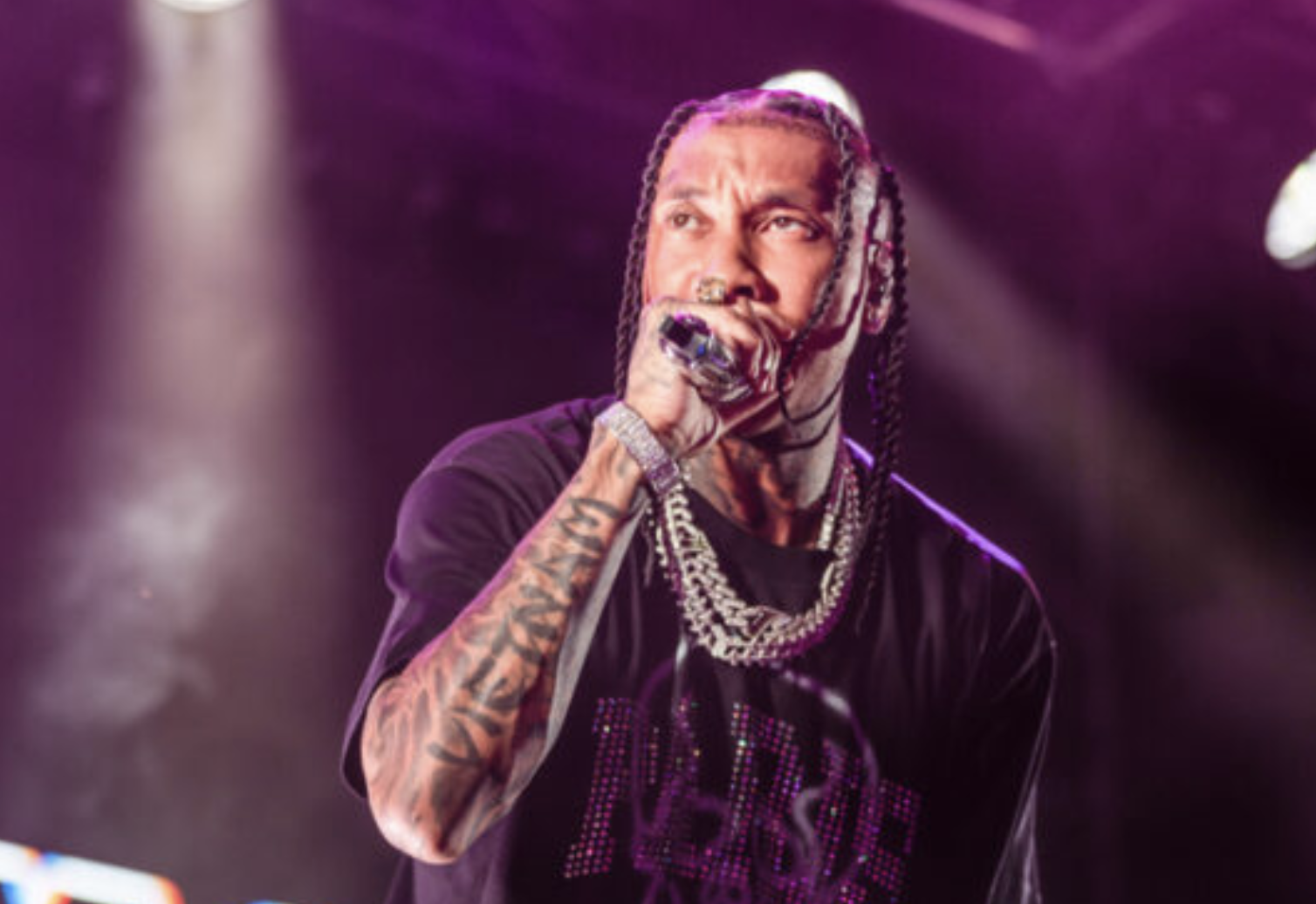
The trend has drawn fresh attention partly because of a dispute involving rapper Fenix Flexin and Tyga, a controversy that has pulled focus away from the larger musical movement driving it. Whatever the outcome of that particular back-and-forth, the retro lean in rap this season is real, and it is resonating with listeners.
Hip-hop’s roots stretch back to block parties and dance floors in New York in the late 1970s and early ’80s, an era defined by breakbeats, funk-influenced production and an unapologetically physical relationship between the music and its audience. This summer, producers and artists have been reaching back to those foundational elements — the crisp drum machines, the bass-heavy grooves and the call-and-response energy that made early rap a communal, kinetic experience.
The appeal is not hard to understand. At a moment when the genre faces intense scrutiny over AI-generated vocals, deepfake collaborations and questions about authenticity, leaning into an era before digital production tools existed carries an implicit message about craft and realness. The ’80s represented hip-hop in its most raw and human form, and revisiting that period offers a counterpoint to the technology-driven anxieties of 2024.
Dance-floor functionality is central to the revival. Early hip-hop was designed to move crowds, and the tracks emerging this summer that draw on that lineage share an emphasis on rhythm and physical response over lyrical complexity or studio maximalism. The production tends to be stripped back — fewer layers, more space, beats that lock in and stay there.
Fenix Flexin, a former member of the group Shoreline Mafia, has been among the artists associated with this retro-leaning direction. His work this summer reflects an interest in the kind of straightforward, groove-oriented rap that dominated before sampling laws tightened and digital audio workstations changed the economics of production entirely.
Tyga, a veteran of mainstream commercial rap with roots in the late 2000s mixtape era, has also been connected to the conversation around this sound. The dispute between the two artists has generated significant online attention, but music observers note that it has somewhat obscured the fact that both are operating within a broader trend rather than defining it in isolation.
The ’80s revival in rap also connects to a longer pattern in popular music, where genres cycle back to earlier periods roughly every 30 to 40 years. Funk and disco experienced similar rediscoveries. What distinguishes this particular moment in hip-hop is how deliberately artists are engaging with the dance-floor dimension of the genre’s past — not simply sampling old records, but reconstructing the feel and intent of that era’s approach to making people move.
Whether the trend sustains through the fall or remains a summer phenomenon is a separate question, but its presence this season is well-documented. Multiple releases across independent and major-label rap have reflected the ’80s influence, and the dance-floor emphasis has shown up in live performance contexts as well.
Hip-hop turned 50 years old in 2023, a milestone that prompted widespread retrospective coverage and renewed interest in the genre’s foundational decades. That anniversary appears to have had a lasting effect on how current artists think about their relationship to rap’s earliest era.